EducationSix payment controls that prevent avoidable lateness
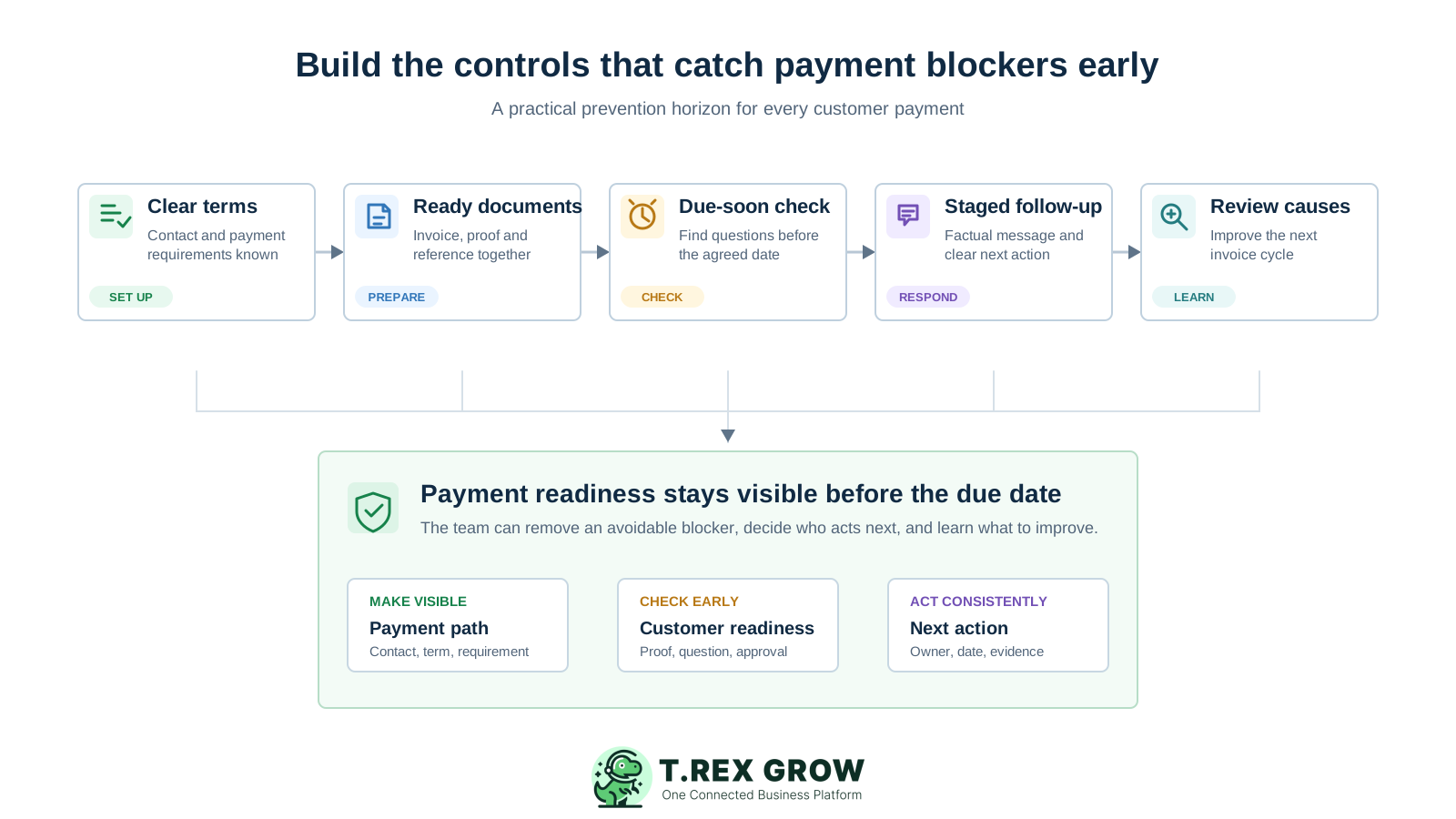
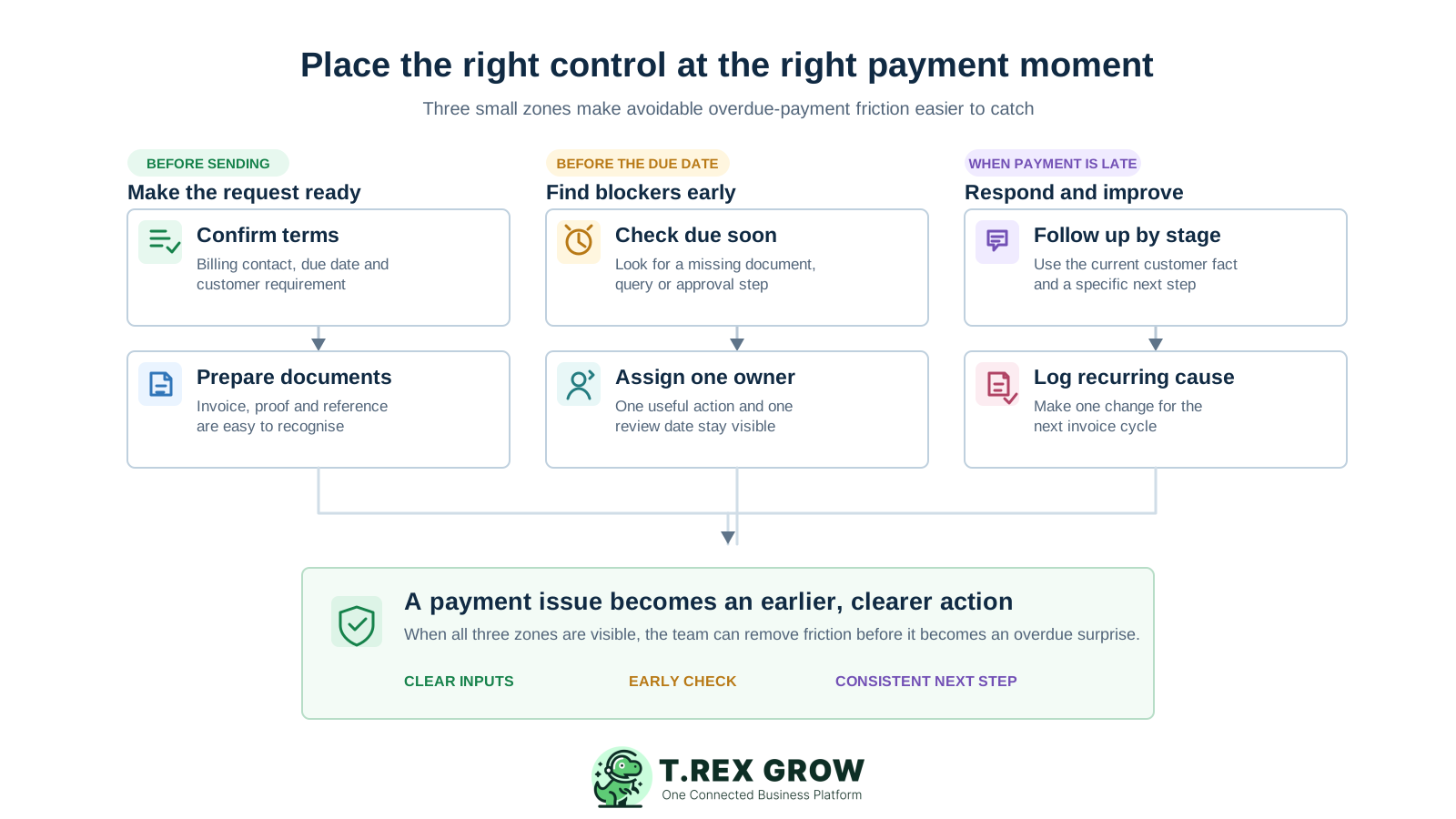
Reducing overdue payments does not mean sending more reminders. It means placing a few practical controls at the moments where a payment can become blocked: before the invoice is sent, before the due date, and after a customer signals that payment will be late.
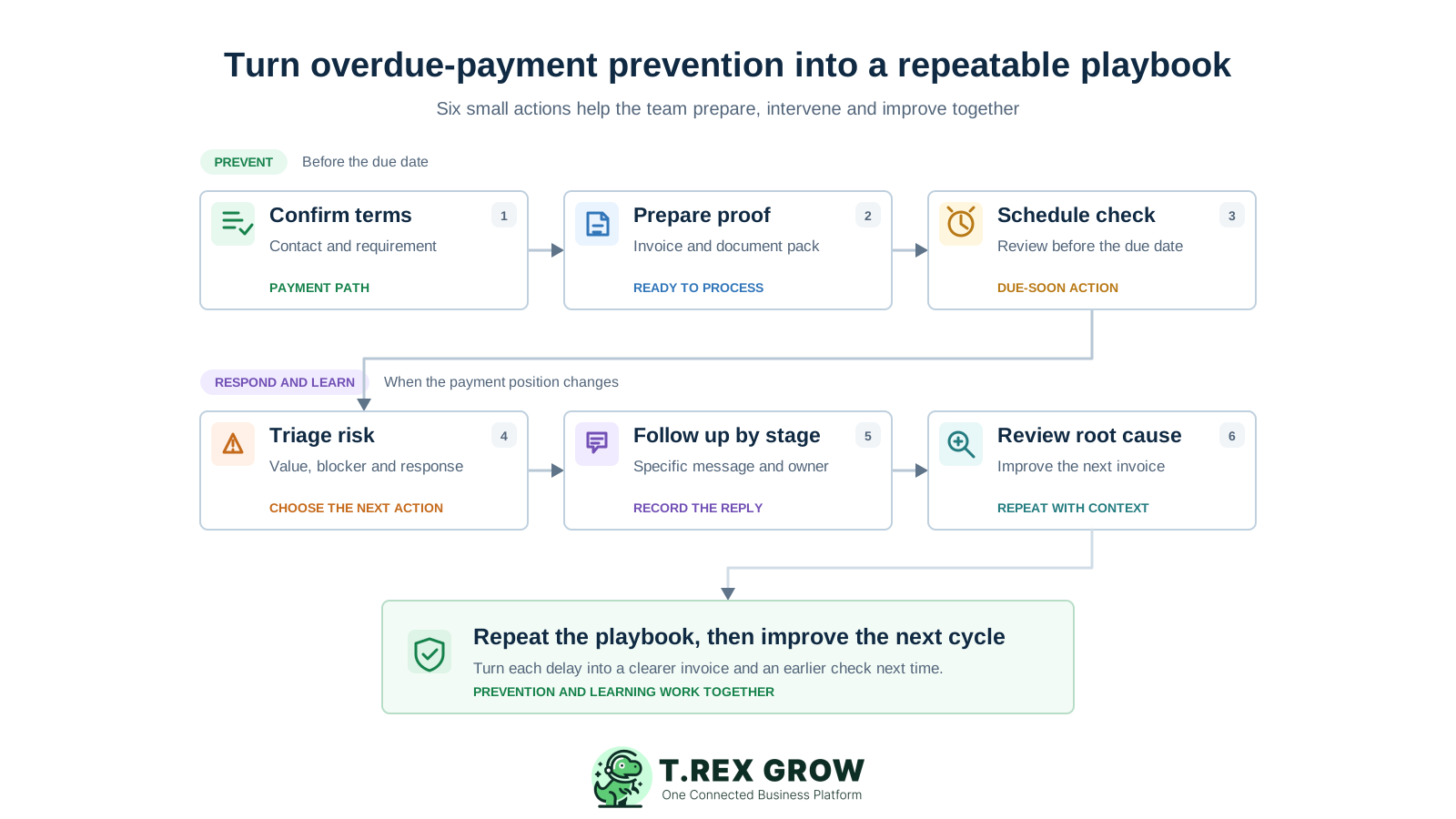
Confirm the payment terms and path
Before billing a new customer or a significant invoice, confirm the agreed term, the person or team that receives the invoice, the preferred channel, and any approval or reference requirement. Capture the operational facts, not only the payment term.
Prepare a payment-ready invoice pack
Make the invoice number, amount, due date, customer reference, delivery or service proof, and supporting files easy to recognise and retrieve. The customer should not need several follow-up messages just to identify what the invoice covers.
Review important invoices before the due date
Use a due-soon check for high-value, new, complex, or previously delayed accounts. Confirm whether the customer has everything needed to process payment and whether a question, approval, or document request needs a named owner.
Prioritise by risk and next action
Rank invoices using practical signals such as value, days to or past due, missing evidence, an unanswered question, a changed customer contact, or a payment promise that needs review. The goal is a sensible work queue, not a complicated score.
Use a staged, factual follow-up
Reference the invoice, amount, due date, current customer context, and the next step you need. Escalate the internal attention only when the customer has not responded, a promise expires, or a specific blocker requires another role.
Record the cause and improve the next invoice
When a late payment is resolved, note the practical reason and one preventive action for the next cycle. A short cause log can reveal repeated missing references, timing patterns, document gaps, or unclear ownership without turning into an uncontrolled archive.