WorkflowUse a six-step procurement recovery routine
This is a minimum control routine, not a replacement for the SME's detailed procure-to-pay process. It restores an explainable chain around an ordinary purchase and exposes where a specialist policy, stronger review or separate workflow is needed.
A dependable workflow keeps the shared record and the next action aligned.
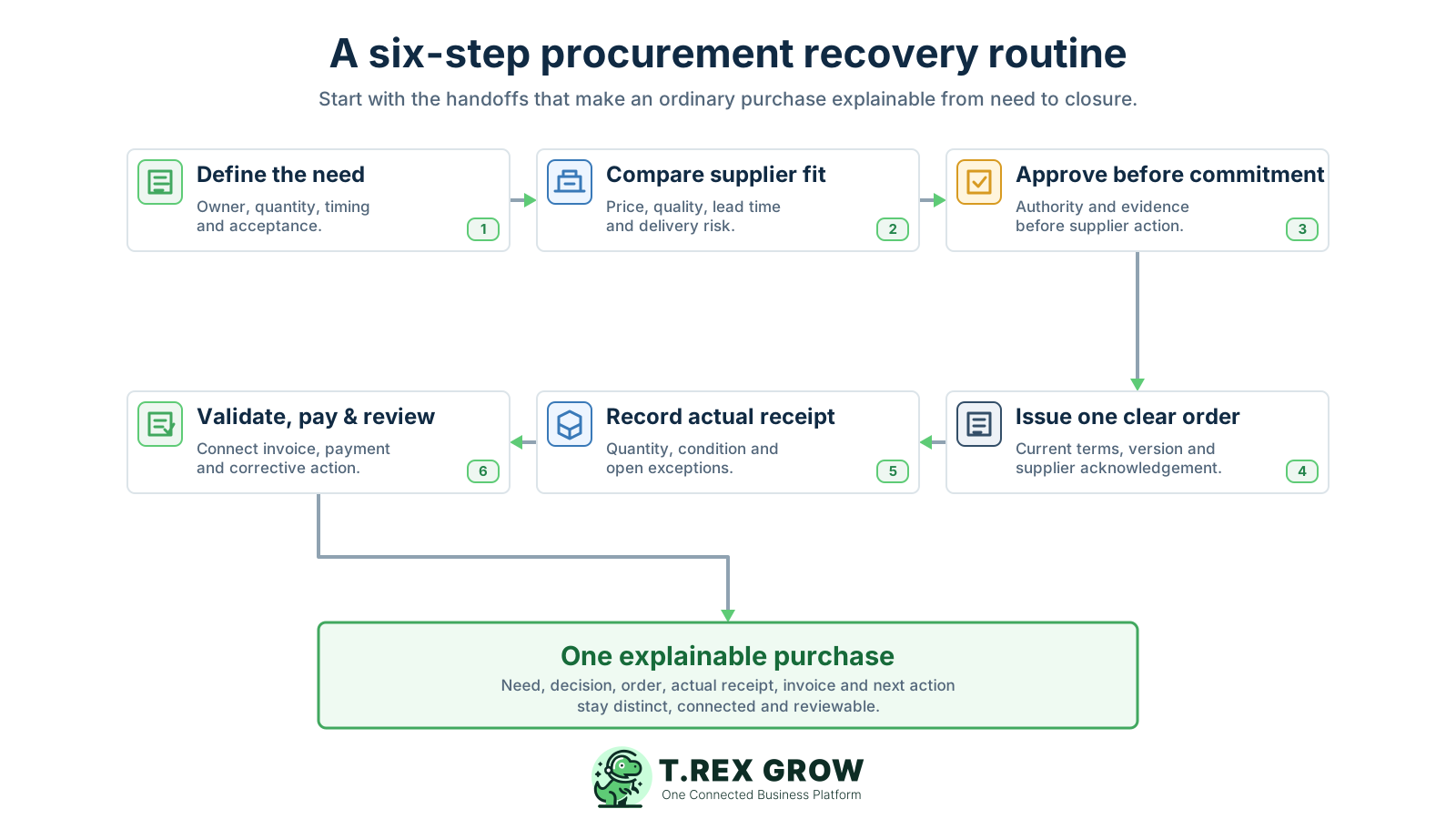
1Define the need: name the owner, business purpose, product or service, quantity, timing, delivery point, budget context and what acceptable fulfilment looks like before asking a supplier to act.
2Compare supplier fit: use consistent requirements and proportionate criteria covering price, quality, fitness for purpose, lead time, service, performance history, relevant risk and total effort over the useful life of the purchase.
3Approve before commitment: identify who may decide, what evidence they need, which purchase route applies and whether the proposed supplier-facing terms are stable enough to authorise.
4Issue one clear order: preserve the approved or finalised version, send the supplier the current quantity, price, dates, terms and delivery details, and record acknowledgement or any agreed change separately.
5Record actual receipt: capture the goods or service actually accepted, including date, quantity, condition, location, partial balance, rejection, return or exception without rewriting the original order to make it agree.
6Validate, pay and review: compare the relevant order, receipt and supplier invoice, assign differences, retain payment or adjustment evidence, close the purchase deliberately and feed recurring problems into the next supplier or process decision.